Pre-Eclampsia in Pregnancy
Pre-eclampsia in pregnancy is a complication that can affect between approximately 1-5 in 100 women, with some experiencing mild symptoms, whilst for others, it may be a severe illness.
Usually, this condition will occur around or after 20 weeks of pregnancy, although it can rarely occur before 20 weeks or post-pregnancy. Although not directly a problem with the baby, this is linked to a problem with the placenta, causing concern for the blood supply of your baby. With this in mind, it is important that pre-eclampsia is diagnosed as quickly as possible in order to provide the right monitoring and treatment per individual.
At Peek A Baby, although we do not diagnose pre-eclampsia, this is done with your midwife, we do provide a range of private pregnancy scans that can help monitor your baby’s growth and development from 20 weeks onwards.

What is Pre-Eclampsia In Pregnancy?
Pre-Eclampsia is a high blood pressure disorder that can pose risks for both mother and baby if not monitored correctly from 20 weeks onwards, or the point of diagnosis. It is caused by the placenta not working correctly, meaning that your baby may not be getting all of the oxygen and nutrients that it needs. Not getting these can affect the baby’s growth and development, often known as fetal growth restriction.
If diagnosed with pre-eclampsia, this can mean that you are monitored regularly throughout your pregnancy, receiving more ultrasound scans to monitor the baby’s growth. For those with mild pre-eclampsia, it would typically be advised that you deliver your baby around 37 weeks, having been given medication to support their lung development up until this point.
For some women, their baby may be born prematurely and will need care in a neonatal intensive care unit. Sadly, for some women, their baby may be stillborn.
What Are The Common Signs of Pre-Eclampsia?
It is very rare that you will be able to notice the signs of pre-eclampsia yourself; typically, these would be picked up by your midwife during a routine appointment; however, there are some common symptoms that may be experienced in severe cases:
- Severe Headache
- Pain below the ribs
- Blurring or flashing in vision
- Vomiting
- Heartburn that isn’t alleviated by antacid medicines
- Sudden swelling of the hands, feet or face.
If you notice any of these signs, it is vital that you seek support from your midwife or contact 111 for advice.
During a routine appointment with your midwife, it may be noted that you have a high blood pressure, or there is protein in your urine sample. If these are identified, your midwife will be able to advise on next steps in order to get a full diagnosis and the right monitoring in place throughout your pregnancy.
If you have been diagnosed with pre-eclampsia and want to seek reassurance about your baby's wellbeing throughout your pregnancy, our range of early pregnancy scans can provide you with this. Find the right scan online today and book with your local clinic.
Book Your Scan Today
"*" indicates required fields
Increased Risk of Pre-Eclampsia in Pregnancy
There are a number of factors that may put you at a higher risk of pre-eclampsia in pregnancy before it can be diagnosed. Whether you are a first time parent or have already started your family, if you have a high blood pressure pre-pregnancy or have had in past-pregnancies, it is highly likely that it may occur during in subsequent pregnancies. You may also be at higher risk if you have an existing medical condition such as diabetes, kidney problems or immune system related conditions such as Lupus or Antiphospholipid Syndrome.
Some of the other considerations for developing pre-eclampsia include:
If this is your first pregnancy
If you are over 40 years old
If your last pregnancy was over 10 years ago
Your mother or sister had pre-eclampsia
Your BMI is 35 or more
You are of Black or South Asian heritage
You are expecting more than 1 baby.
If you are concerned about the risks of pre-eclampsia, it is important to discuss this with your midwife as part of your routine appointments. This can help to give you reassurance that everything is going well and any concerns you have are being taken care of. For further reassurance about your baby's development and wellbeing, you can book an early pregnancy scan with Peek A Baby.
Treatments for Pre-Eclampsia in Pregnancy
It is important to note that early diagnosis is key with pre-eclampsia; however, there is not necessarily a cure for it. If you have been diagnosed with this condition, you will be regularly monitored throughout pregnancy in order to measure the growth of your baby, how much blood flow there is through the placenta and how much amniotic fluid there is.
During the monitoring stages, your protein levels and blood pressure will also be regularly checked, you may be required to have blood tests to check liver and kidney health, and your baby’s heart rate will be monitored for any signs of distress.
You may also be given medication for your high blood pressure to help lower this and lessen the likelihood of serious complications, such as a stroke. For those struggling with severe pre-eclampsia, you may be given anticonvulsant medicine to prevent fits should you have experienced these, or your baby is due in the next 24 hours.
Women how have pre-eclampsia will often deliver their baby between 37 and 38 weeks, meaning labour will be induced or you will be offered a caesarean section (c-section). Delivering the baby at this point can often reduce the risk of any further complications occurring due to this condition, but it is vital that you seek all information about this condition and premature birth from your midwife beforehand.
Does Pre-Eclampsia Go Away After Birth?
It is common for pre-eclampsia to improve after giving birth; however, there may be complications that develop a few days later. Often mothers and babies will remain in hospital for a period of time for monitoring, ensuring that premature baby’s get the care that they need in a neonatal unit.
Some mothers may be required to take medication for a few weeks after giving birth, with regular check-ups with your GP for both you and your baby.
Risks for Long-Term Health After Pre-Eclampsia in Pregnancy
Although it is common that pre-eclampsia will not affect women after giving birth, being diagnosed with it can put women at higher risk of developing long-term health conditions such as type 2 diabetes, heart disease, kidney disease or high blood pressure later in life.
Talking to your GP about how you might be able to avoid these conditions is important. Some common recommendations can include to avoid smoking, eat a healthy and balanced diet, avoid smoking and maintain a healthy weight.
Private Pregnancy Scans With Peek A Baby
Although at Peek A Baby we do not diagnose pre-eclampsia, we do provide a range of private pregnancy scans that can give expectant parents reassurance during the later stages of pregnancy regarding their baby’s growth and development.
Available from 22 weeks of pregnancy, right through to 38 weeks, we offer our Growth & Presentation Scan. This is a 2D ultrasound scan that helps give parents reassurance about their baby’s growth, placenta placement and fetal presentation. It is advised that you bring your hospital notes with you to this scan. You will be given a report of your baby’s development post-scan that can be given to your midwife during routine appointments.
For parents who may want another opportunity to see their baby as they grow and seek reassurance on their growth in the second half of pregnancy, we also offer our range of 4D scan packages, each giving parents a wellbeing report post scan. Each 3D/4D scan is available between 20 week sand 34 weeks, meaning you can seek reassurance until you are close to delivery if required. At Peek A Baby, we offer 4 different 3D/4D packages, each with their own perks:
You can book your private pregnancy scans via our website today or contact your local clinic for further information before booking. We will always try to accommodate same day pregnancy scan bookings where possible.
If you have concerns regarding pre-eclampsia in pregnancy, speak to your midwife today. Should you begin to experience severe symptoms, call 111 and seek advice.
FIND US
Our Locations
-
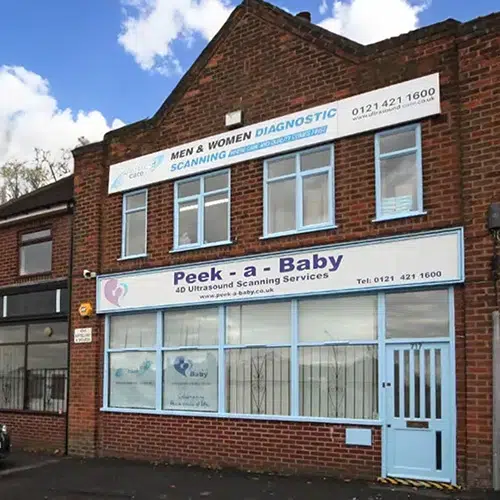
Birmingham
Clinic