Caffeine & Pregnancy
If you’re pregnant, you might be wondering, “Can I still have my morning coffee?” or “How much caffeine is safe for my baby?”. Well, you are not alone! Caffeine is one of the most common queries from expectant mothers during pregnancy. It’s in coffee, tea, chocolate, soft drinks, energy drinks and even some medications as well, so it is extremely easy to go overboard without realising it.
The good news is that enjoying caffeine in moderation is generally considered safe, and with a few simple tips, you can still have your favourite treats without worrying.
If you are concerned about your baby throughout pregnancy, Peek A Baby offer a range of early scans to give you peace of mind.
The Affects of Caffeine & Pregnancy
Caffeine is a natural stimulant that speeds up your heart rate, increases alertness, and can give you a little energy boost. But during pregnancy, things work a little differently.
- Caffeine crosses the placenta: Your baby can’t process caffeine the same way you do. It stays in their system longer, so even small amounts can have a bigger effect.
- Pregnancy slows caffeine metabolism: Later in pregnancy, your body processes caffeine more slowly. That cup of coffee that used to wake you up. It might linger longer than usual.
- Temporary changes in baby’s activity: Some studies suggest caffeine can slightly increase fetal heart rate or activity, but moderate consumption hasn’t been shown to harm your baby.
The Recommended Caffeine Limit
Health authorities worldwide recommend keeping caffeine below 200mg per day during pregnancy. To put that into perspective, some of the common sources of caffeine are estimated to be:
- 1 cup instant coffee: 60-80m
- 1 cup filter coffee: 90-120mg
- 1 cup black tea: 40-50mg
- 1 can of cola: 30-40mg
- 1 small energy drink: 80-100mg
- Chocolate (50g bar): 20-25mg
So, you could safely have one large cup of coffee or two smaller cups per days. Exceeding 200mg occasionally isn’t automatically dangerous, but keeping below this limit is best for your baby’s health.
If at any point throughout your pregnancy you are concerned about your baby due to caffeine consumption, book an early scan with your local Peek A Baby clinic and get peace of mind.
Book Your Scan Today
"*" indicates required fields
Why Caffeine Intake Can Be Risky
Although caffeine is not considered to be a risk in moderation during pregnancy, too much caffeine during pregnancy has been linked to:
Low birth weight: Babies born smaller than expected
Miscarriage risk: Especially with high intake early in pregnancy
Sleep and anxiety issues: Caffeine can make both you and your baby more restless
Heart rate changes: Slight increases in fetal heart rate and activity
Remember, the key word is high intake. Moderate amounts, the equivalent of a couple cups of coffee, are generally considered safe.
Hidden Sources of Caffeine
Caffeine isn’t just in coffee. Here are some common sources you might not think about:
Tea (Black, green and some herbal blends)
Chocolate and chocolate-based desserts
Soft drinks and energy drinks
Certain painkillers, such as cold and flu medications
Decaf coffee or tea (still contains small amounts)
Reading labels is the easiest way to track how much caffeine you’re really consuming. If you are unsure about the growth and well-being of your baby at any point throughout pregnancy, Peek A Baby are here to give you reassurance. Our early pregnancy scans can give you peace of mind that your baby is developing well, even with low levels of caffeine intake.
Tips for Cutting Back on Caffeine in Pregnancy
Cutting caffeine can be tricky if you’re used to your morning cup of coffee, but there are ways to manage:
Gradually reduce intake: Swap one regular coffee for decaf or half-caf each day. Gradual reduction helps prevent headaches and fatigue.
Try alternatives: Such as herbal teas, warm milk or hot chocolate, fruit infused water or malted drinks.
Watch portion sizes: Starbucks, Costa, or other coffee chains often serve much larger drinks that a standard cup, a ‘tall’ latte can contain 150-200mg caffeine on its own.
Limit energy drinks: Energy drinks are usually not recommended in pregnancy due to their high caffeine content and other stimulants.
Caffeine While Breastfeeding
Caffeine does pass into breastmilk, but usually in small amounts. Most guidelines suggest 200-300mg per day is fine while breastfeeding. Keep an eye on your baby, if they seem unusually fussy or have trouble sleeping, you may need to cut back
When to speak with a professional
Check in with your midwife if:
- You regularly drink high-caffeine beverages
- You’re unsure how to reduce caffeine safely
- You take medications containing caffeine
- You notice unusual symptoms like heart palpitations, anxiety or insomnia.
Your midwife can give personalised advice based on your lifestyle and pregnancy.
Book Your Pregnancy Scan With Us
Caffeine in moderation is generally safe during pregnancy. Most experts agree that staying under 200mg per day, roughly one or two cups of coffee, keeps you and your baby safe. Keep an eye on hidden sources of caffeine, reduce gradually if needed, and enjoy your pregnancy without giving up all the little joys.
Pregnancy is already full of rules, caffeine doesn’t have to be one of the stressful ones.
Peek A Baby is here to support you and provide peace of mind at all times throughout pregnancy. If you are looking to check on the growth and wellbeing of your baby, book an early scan with your local clinic today.
FIND US
Our Locations
-
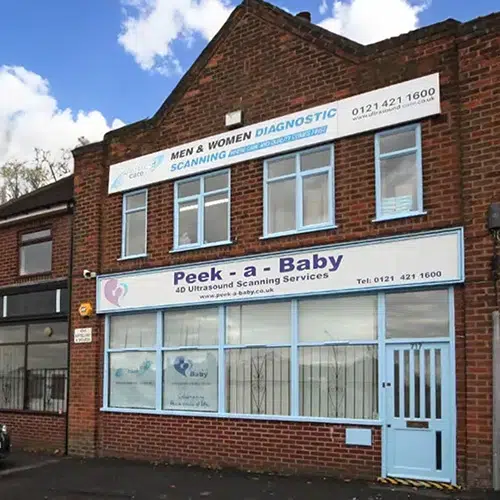
Birmingham
Clinic